Dufferin County informs community about upcoming Bryan’s Fuel emergency exercise on October 29, 2026
Dufferin County is informing community members that staff from Bryan’s Fuel will be participating in an emergency response exercise to ensure that their procedures are current and effective on October 29, 2026.
During this event, members of the public may observe activity around the site on Richardson Road in Orangeville. This activity may include emergency vehicles with flashing lights, and first responders and other personnel engaged in the simulated emergency. There is no cause for concern. This is consistent with legislated requirements and industry best practice.
Dufferin County thanks Bryan’s Fuels for their ongoing commitment to community safety!
What if this were a real emergency?
If this were a real emergency, residents would be notified by a Broadcast Intrusive Alert through their mobile devices, television and radio. The alert would contain details about the emergency and the actions that should be taken to ensure the safety of residents. Preparing your family before any emergency is the best way you can keep them safe.
What is a shelter-in-place order?
A shelter-in-place order means it is safer to stay indoors than to leave. This may occur during severe weather, hazardous materials incidents or other emergencies.
What to do during a real emergency
If our community were to experience a real emergency like the one being prepared for with this exercise, residents should:
- Move indoors immediately and stay inside
- Close and lock all windows and exterior doors
- Turn off fans, air conditioners, and ventilation systems if instructed
- Move to an interior room away from windows
- Listen to local authorities through radio, television, trusted websites, or emergency alerts
- Keep your phone charged and limit non-essential use to preserve battery life
- Have food, water, medications, and essential supplies readily available
- Do not leave until authorities indicate it is safe to do so
What if hazardous materials are involved?
- Seal gaps around doors, windows, and vents with duct tape and plastic sheeting if instructed
- Avoid using fireplaces or exhaust fans that draw outside air into the building
- Monitor official communications for updates and protective actions
Would we have to evacuate in a real emergency?
Evacuation may be necessary due to fire, flooding, hazardous materials or other threats that make remaining in place unsafe. If evacuation is necessary, community members will get that direction from emergency personnel.
Before you leave
- Follow the evacuation instructions provided by authorities
- Take your emergency kit and important documents
- Wear sturdy footwear and weather-appropriate clothing
- Shut off utilities only if directed by officials
- Secure your home by locking doors and windows
- Let family or friends know where you are going
During evacuation
- Do not hesitate, leave as soon as directed
- Follow designated evacuation routes
- Avoid flooded roads, downed power lines, and hazardous areas
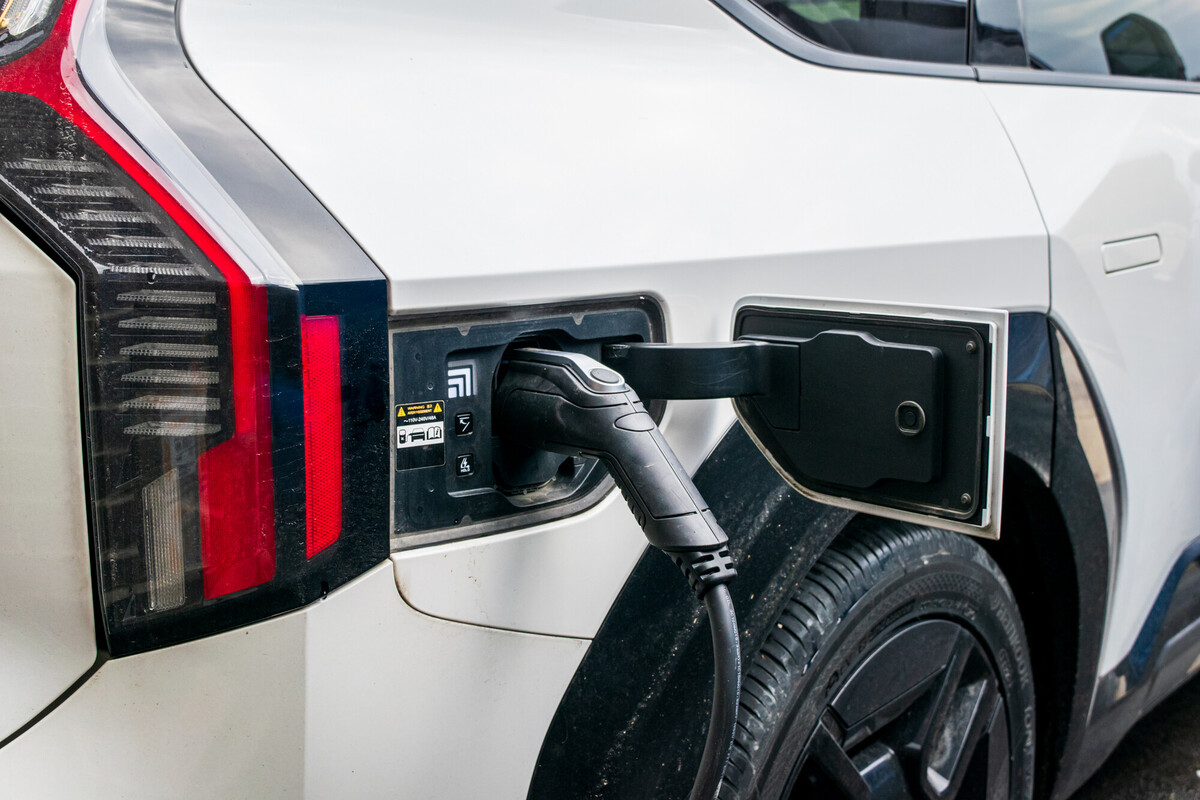
- Keep your vehicle fuel tank at least half full whenever possible
- Assist neighbours who may need extra support if it is safe to do so
If evacuating to a reception centre
- Register with staff upon arrival
- Bring identification, medications, and essential personal items
- Follow instructions from emergency personnel
Emergency kits
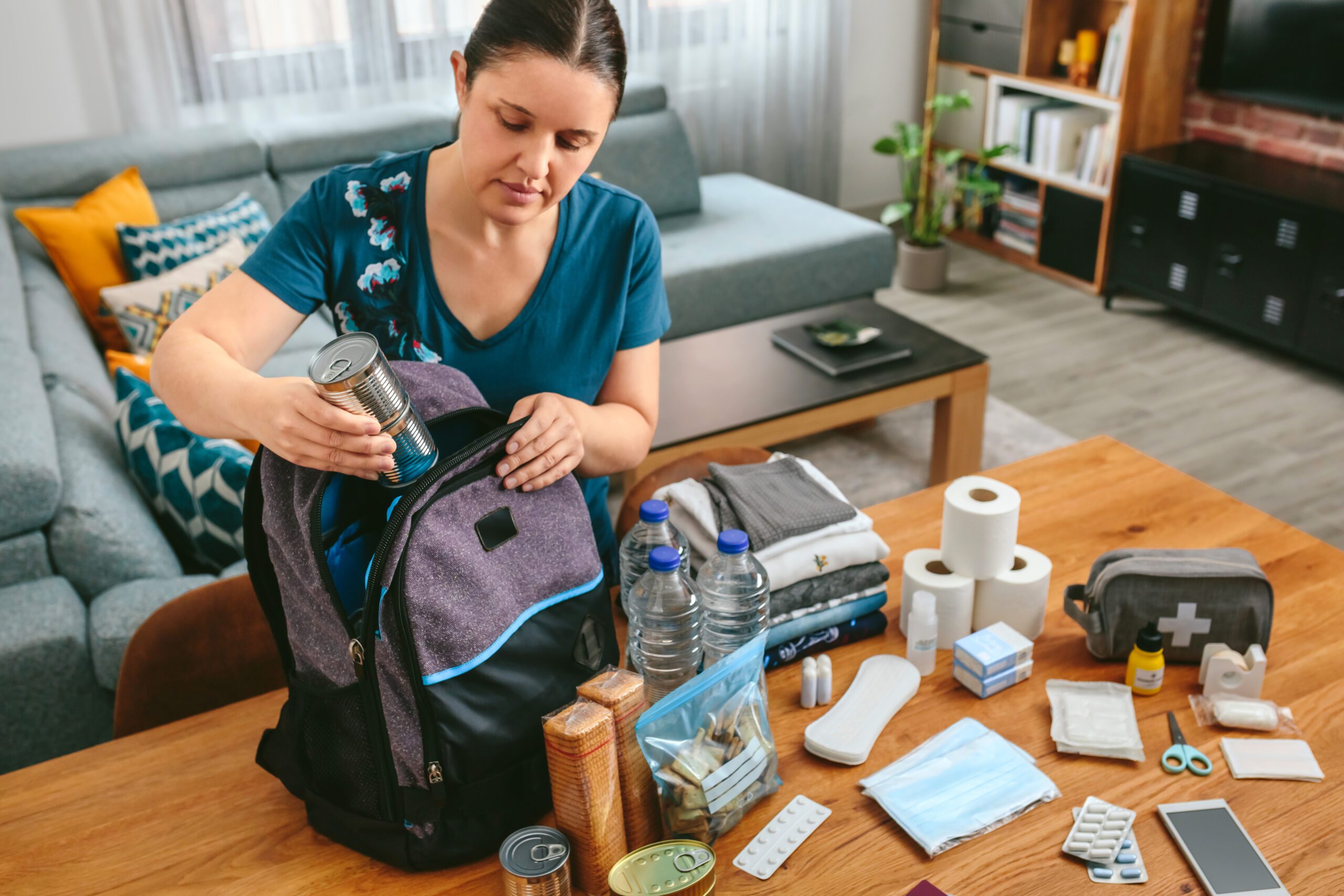
Every household should have enough supplies to be self-sufficient for more than 72 hours during an emergency. Emergency kits should include:
- Water (approximately 2 litres per person per day)
- Non-perishable food
- Manual can opener
- Flashlight and extra batteries
- Battery-powered or crank radio
- First aid kit
- Prescription medications
- Cell phone charger and power bank
- Cash in small bills
- Extra house and vehicle keys
- Personal hygiene items
- Change of clothing and blankets
- Whistle to signal for help
- Important documents (copies of identification, insurance, and emergency contacts)
Additional considerations include:
- Infant supplies (formula, diapers, wipes)
- Pet food and pet supplies
- Mobility aids and medical equipment
- Spare eyeglasses and hearing aid batteries
- Seasonal items such as warm clothing, gloves, and boots
For more information on how to be prepared for an emergency, visit Dufferin County’s Emergency Preparedness webpage at www.dufferincounty.ca.
-30-
MEDIA CONTACT:
Megan Ball, Manager of Communications
mball@dufferincounty.ca